Operations • 31 May 2026 • 8 min read
Sustainable Fabric Sourcing: How Buyers Should Treat Material Claims
A practical guide to responsible sourcing conversations, recycled and certified claims, documentation and honest supplier communication.
Ask What Is Verified
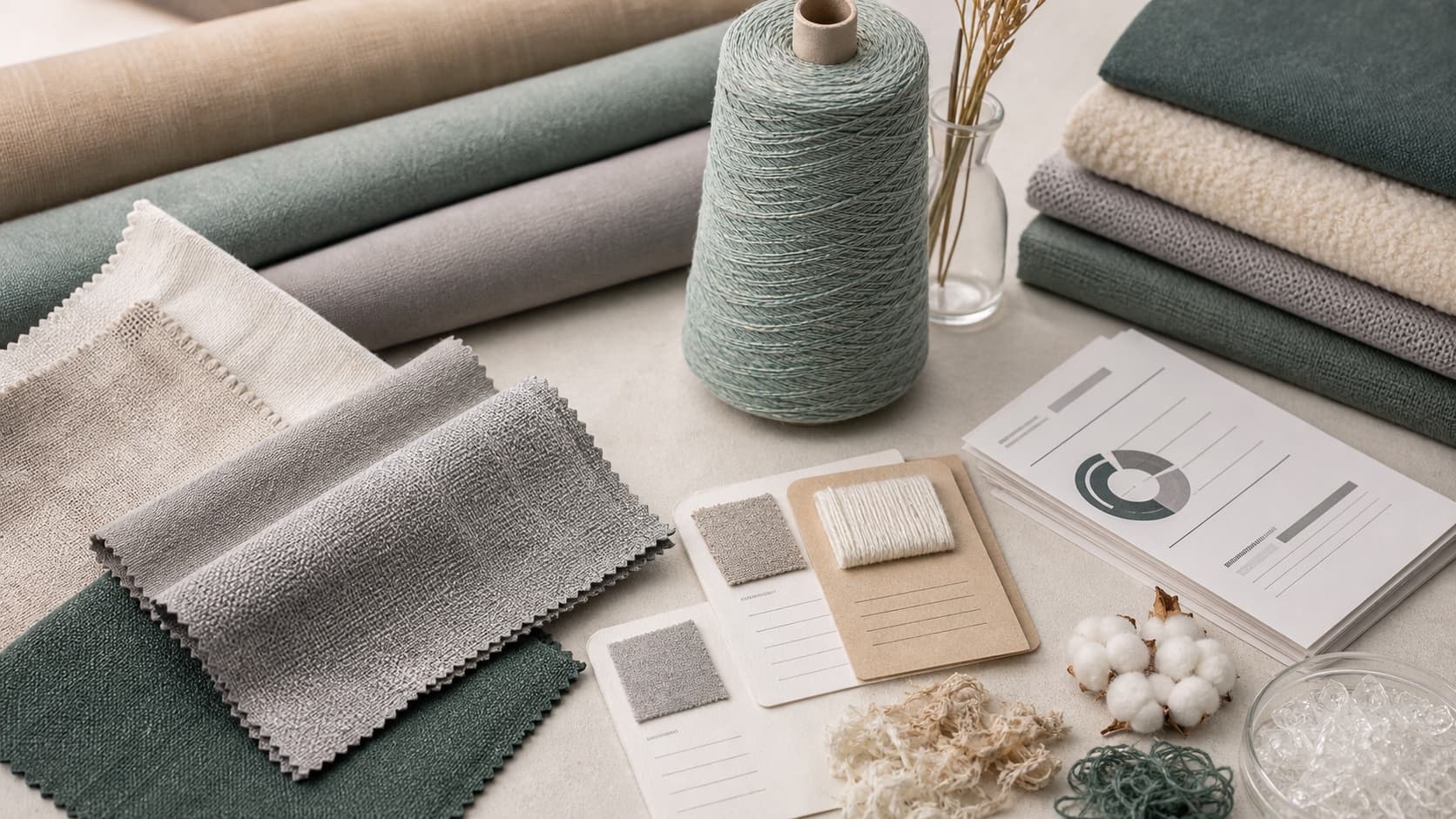
Sustainability language can become risky when it is not supported. Buyers should ask what is verified, what documentation exists and what is only a development possibility.
This protects the buyer, supplier and final brand.
Separate Claims From Preferences
A buyer may prefer lower-impact materials, recycled content or a certain certification. That preference should be turned into a clear requirement before sampling.
If documentation is needed, cost and lead time may change.
- Material claim
- Certification need
- Target market
- Documentation route
- Supplier confirmation
Use Honest Buyer-Supplier Language
The best supplier answer is not always yes. Sometimes the right answer is: this is verified, this can be developed, and this cannot be claimed today.
That clarity is more professional than unsupported green language.
// Buyer FAQ
Common Questions
Should buyers accept recycled claims without documents?
No. Recycled or certified claims should be backed by relevant documentation.
When should sustainability requirements be shared?
Before sampling, because requirements can affect material choice, supplier route, cost and lead time.
// Next Buying Step
Turn This Into A Fabric Inquiry
Use the guide above to shortlist fabric type, width, GSM, finish stage, quantity, country, and sample requirement before contacting AERA TEX.