

Costing • 27 May 2026 • 8 min read
Shortage Percent In Fabric Costing: How To Apply It Without Overpricing Or Losing Margin
A clear method for applying shortage separately to warp and each weft yarn so the cost sheet reflects production reality.
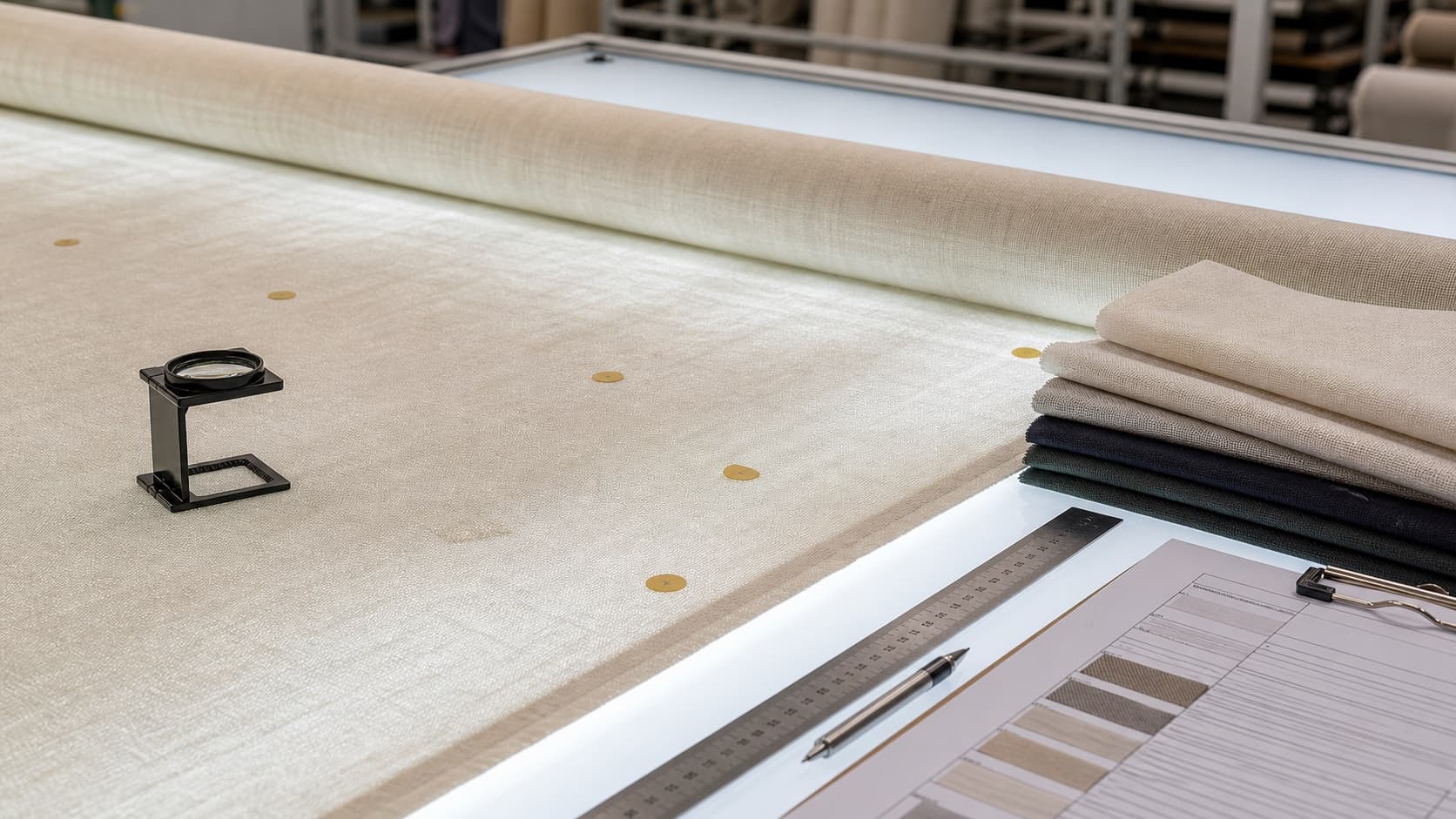
Shortage Is A Production Parameter
Shortage covers practical variation: yarn handling, process loss, setup, waste and measurement differences. It is not a random safety number.
If shortage is too low, margin disappears. If it is too high, the quote becomes unnecessarily expensive.
Apply Warp And Weft Separately
Warp and weft do not behave the same way in production. A fabric using more than one weft should not force every yarn into one shortage assumption.
Separate shortage makes the cost sheet easier to explain when a buyer asks why price moved.
- Warp shortage by warp stream
- Weft shortage by each weft yarn
- Monthly calibration from actual consumption
Review Actuals
Compare estimated yarn consumption with actual issue and return records by quality. Over time, this creates a more reliable shortage profile.
AERA TEX tools show warp and weft visibility so costing can be reviewed before quotation.
// Buyer FAQ
Common Questions
Should every fabric use the same shortage percentage?
No. Shortage should be reviewed by yarn type, construction, process behavior and actual consumption history.
Why separate shortage for each weft?
Different weft yarns can have different rates, counts, behavior and risk, so one percentage can distort cost.
// Next Buying Step
Turn This Into A Fabric Inquiry
Use the guide above to shortlist fabric type, width, GSM, finish stage, quantity, country, and sample requirement before contacting AERA TEX.