
Operations • 31 May 2026 • 7 min read
Repeat Fabric Orders: How To Build A Specification System That Prevents Drift
How brands and suppliers can preserve approved fabric references, specs, shade notes, packing details and repeat-order discipline.
Why Repeat Orders Drift
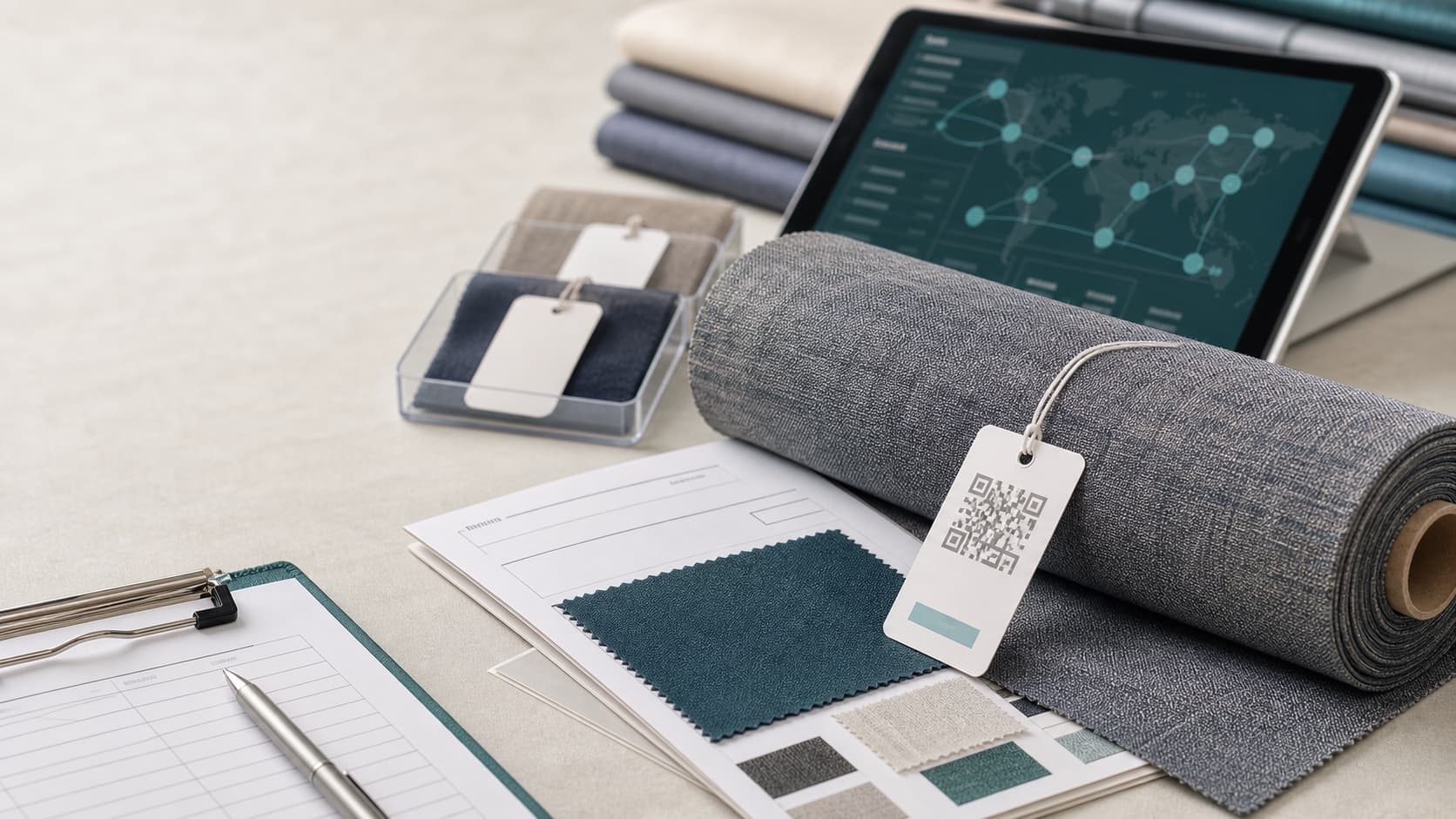
Repeat orders drift when teams rely on memory instead of a record. A fabric name alone may not capture width, GSM, finish, shade or packing expectation.
A buyer should preserve the approved reference and commercial assumptions from the first order.
What To Store
Store quality name, images, swatch, approval date, width, GSM, finish stage, shade note, quantity, packing note and supplier contact.
If tolerance was discussed, store that too.
- Approved swatch
- Spec sheet
- Shade or lab dip note
- Packing and roll length
- Order history
Supplier Relationship Benefit
A repeat-order system helps the supplier respond faster and reduces the chance that a new team member changes an assumption.
It turns sourcing into a managed program rather than a fresh negotiation every time.
// Buyer FAQ
Common Questions
What is the most important repeat-order record?
The approved sample or swatch, connected to the final spec and order details.
Can repeat orders still vary?
Some variation can happen, especially with shade and processing. Good records make the expected tolerance clearer.
// Next Buying Step
Turn This Into A Fabric Inquiry
Use the guide above to shortlist fabric type, width, GSM, finish stage, quantity, country, and sample requirement before contacting AERA TEX.