

Weaving • 31 May 2026 • 8 min read
PV, Viscose-Rich And Nylon-Blend Fabrics: How Buyers Should Compare Them
A buyer guide to choosing between PV, viscose-rich and nylon-blend woven fabrics by handfeel, drape, strength, surface and application.
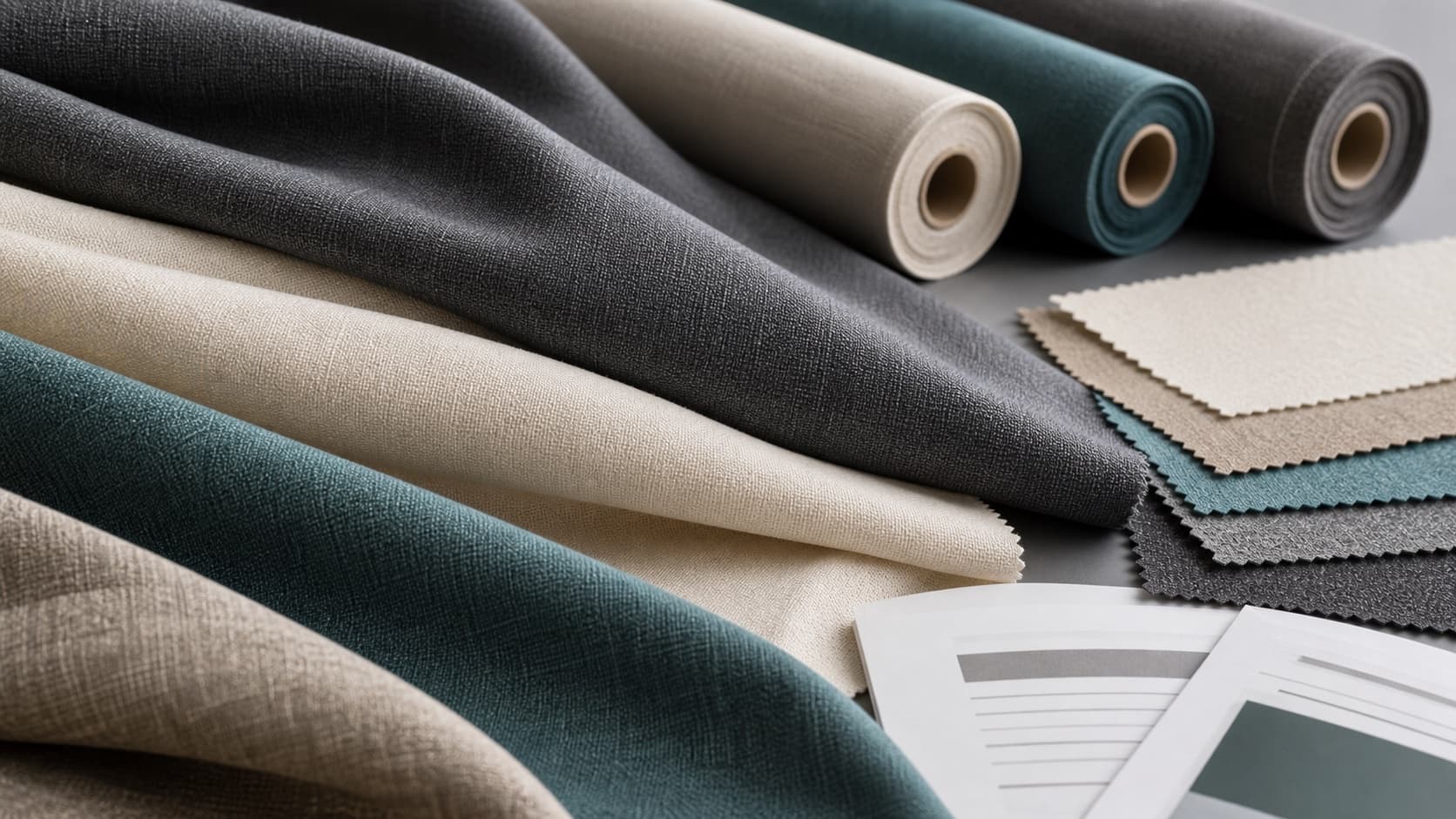
Start With Application
A buyer should first define the garment or product: shirt, kurti, dress, co-ord set, lining, uniform or occasionwear.
Only then should the team compare blends, because each route has different feel, durability and processing behavior.
What Each Route Can Offer
PV can offer commercial stability and drape. Viscose-rich fabric can support softer feel and fall. Nylon blends may be used for certain surface, strength or functional priorities.
The exact result depends on construction and finish, so samples are essential.
- PV for balanced commercial programs
- Viscose-rich for softer fall
- Nylon blend for specific surface or strength needs
How To Ask For A Quote
Share application, target GSM, width, quantity, finish stage and any reference sample. The supplier can then suggest the closest running quality or a development route.
Avoid asking for a blend without explaining the end use.
// Buyer FAQ
Common Questions
Is PV always better than viscose-rich fabric?
No. The better option depends on garment use, handfeel, fall, budget and production requirement.
Can a supplier suggest a blend from a reference sample?
Yes, but a physical sample and application details make the suggestion more accurate.
// Next Buying Step
Turn This Into A Fabric Inquiry
Use the guide above to shortlist fabric type, width, GSM, finish stage, quantity, country, and sample requirement before contacting AERA TEX.