
Operations • 31 May 2026 • 7 min read
Fabric Width And Marker Planning: Why Meter Price Is Not The Whole Garment Cost
How fabric width, panno and marker efficiency can change garment consumption even when two fabrics have similar meter prices.
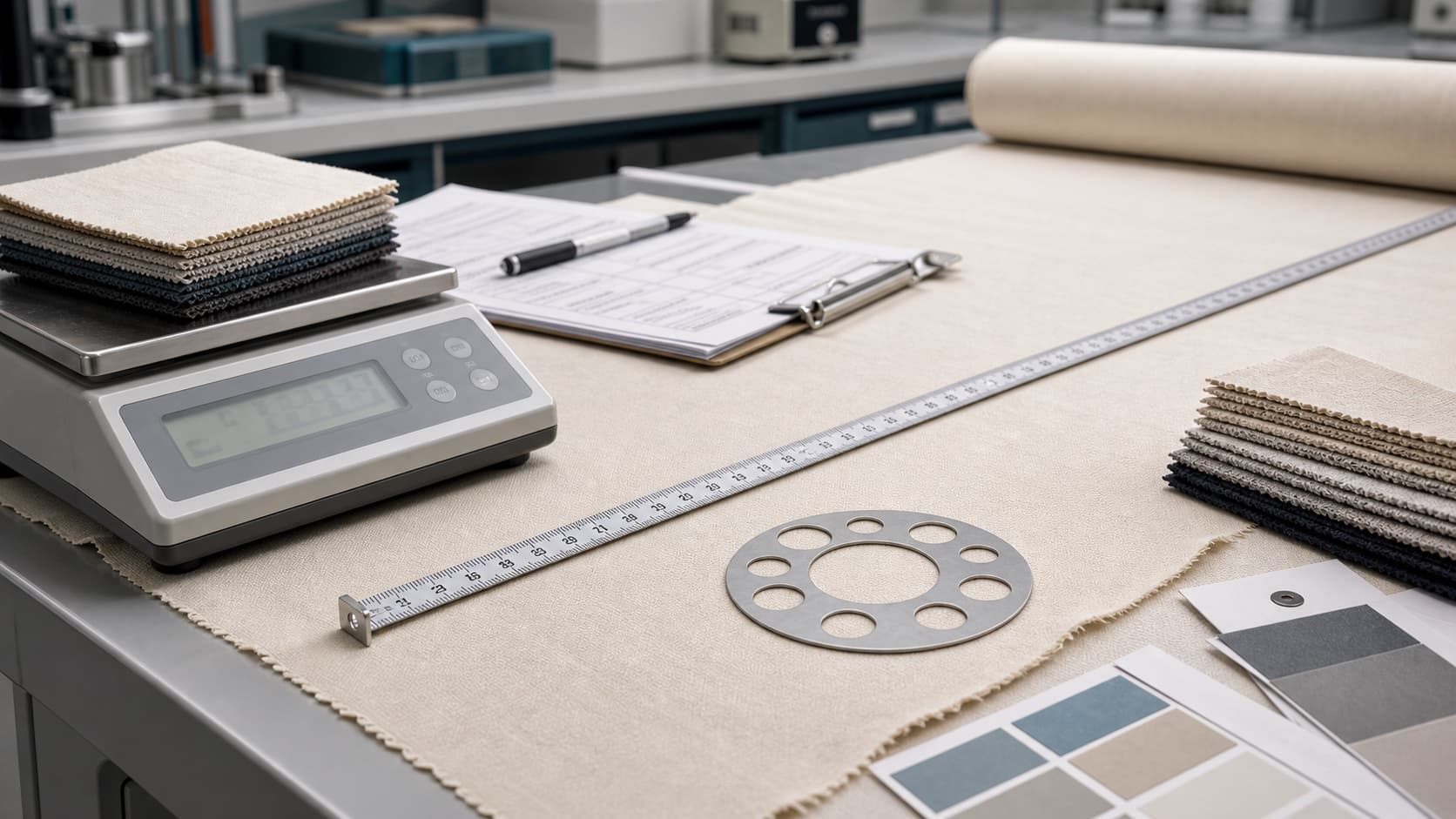
Width Affects Consumption
A lower meter price can still produce a higher garment cost if the width creates poor marker efficiency.
Buyers should compare fabric options by final garment consumption, not only by price per meter.
Panno And Processing
Width can affect dyeing route, finishing, packing and cutting workflow. A fabric that works beautifully at one width may not be practical at another.
The buyer should state preferred width and acceptable alternatives early.
- Marker efficiency
- Cutting table fit
- Processing route
- Roll handling
- Final garment cost
How To Decide
Ask the garment team to estimate consumption for the available widths, then compare fabric cost and availability.
This creates a better sourcing decision than negotiating meter price in isolation.
// Buyer FAQ
Common Questions
Is wider fabric always cheaper for garments?
No. It depends on marker efficiency, garment pattern, processing route and handling.
Should buyers tell suppliers preferred width?
Yes. Width changes production and commercial assumptions, so it should be shared early.
// Next Buying Step
Turn This Into A Fabric Inquiry
Use the guide above to shortlist fabric type, width, GSM, finish stage, quantity, country, and sample requirement before contacting AERA TEX.