

Operations • 31 May 2026 • 6 min read
How To Use A Fabric Line Sheet Before Asking For A Quote
A buyer guide to reading fabric line sheets, comparing GSM, width, finish, MOQ and shortlisting the right qualities faster.
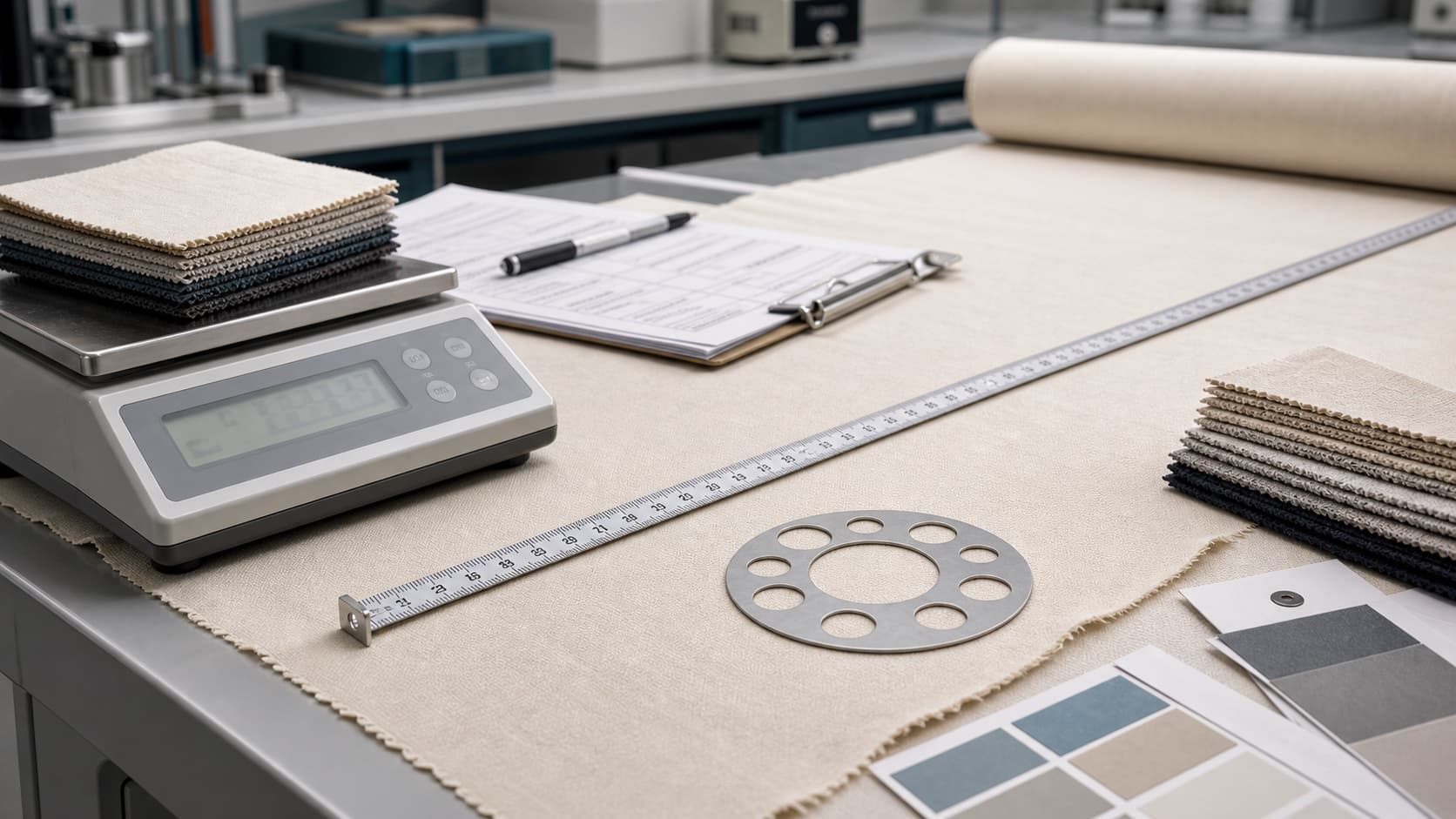
Start With Application
Do not begin only with price. Start with the garment or product application, then compare fabrics that fit the required fall, opacity and surface.
This prevents wasting time on fabrics that cannot perform in the final product.
Compare The Decision Fields
A useful line sheet should make GSM, width, finish stage and MOQ easy to compare. These fields affect price, production planning and sample route.
If two options look close, open the fabric detail pages and compare images, specs and quote paths.
- Application
- GSM and width
- Finish stage
- MOQ
- Sample route
Send A Shortlist
Instead of asking for all fabrics, send two or three shortlisted qualities with quantity and target date.
This helps the supplier respond with a focused quote and sample recommendation.
// Buyer FAQ
Common Questions
Why use a line sheet before inquiry?
It helps the buyer shortlist relevant fabrics and gives the supplier a clearer starting point.
How many fabrics should I shortlist?
Usually two or three options are enough for a focused quote and sample discussion.
// Next Buying Step
Turn This Into A Fabric Inquiry
Use the guide above to shortlist fabric type, width, GSM, finish stage, quantity, country, and sample requirement before contacting AERA TEX.