Weaving • 26 May 2026 • 8 min read
Airjet Picks, Throughput And Profit: How PPI Changes Fabric Economics
How weaving teams and buyers should connect PPI, yarn use, loom time, handfeel and production margin before approving a quality.
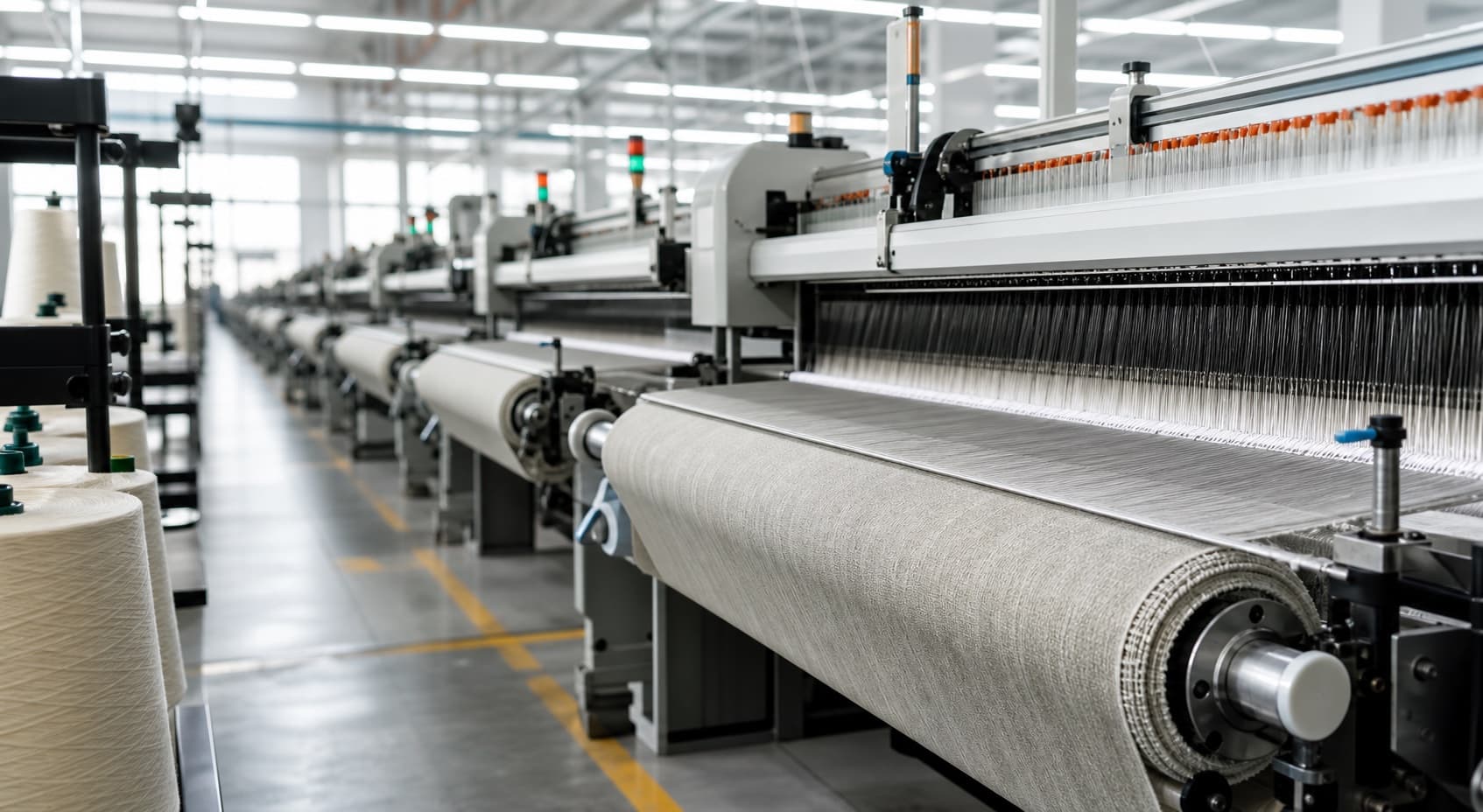
PPI Is A Quality And Cost Lever
Higher PPI can improve compactness and handfeel, but it also increases weft insertion and can affect throughput.
Buyers should understand that a small construction change can move yarn consumption and production planning.
Add Loom Time To Cost Thinking
A construction may look profitable per meter but still underperform commercially if loom hours rise sharply.
Weaving decisions should combine yarn cost, expected loom speed, order size and delivery window.
- PPI and weft consumption
- Effective picks per minute
- Active loom availability
- Order size and dispatch date
Use Scenario Bands
Model lean, base and premium PPI bands before final quote. Then test one yarn-rate movement scenario.
This keeps both buyer and manufacturer aware of the trade-off between handfeel, price and production time.
// Buyer FAQ
Common Questions
Does higher PPI always mean better fabric?
No. Higher PPI can improve compactness, but the right value depends on application, yarn, handfeel and cost.
Why does loom time matter in a quote?
Because production capacity and delivery timing affect whether an order is commercially practical.
// Next Buying Step
Turn This Into A Fabric Inquiry
Use the guide above to shortlist fabric type, width, GSM, finish stage, quantity, country, and sample requirement before contacting AERA TEX.